Cat 1, 2, 3 Water Damage Explained (Why It Matters for Insurance)
24/7 emergency response across the Plano metro from IICRC-certified water restoration specialists.
- IICRC-Certified (WRT, ASD, AMRT)
- 24/7 Emergency Response
- Direct Insurance Billing
- Locally Owned, Plano-Based
- Free On-Site Damage Assessment
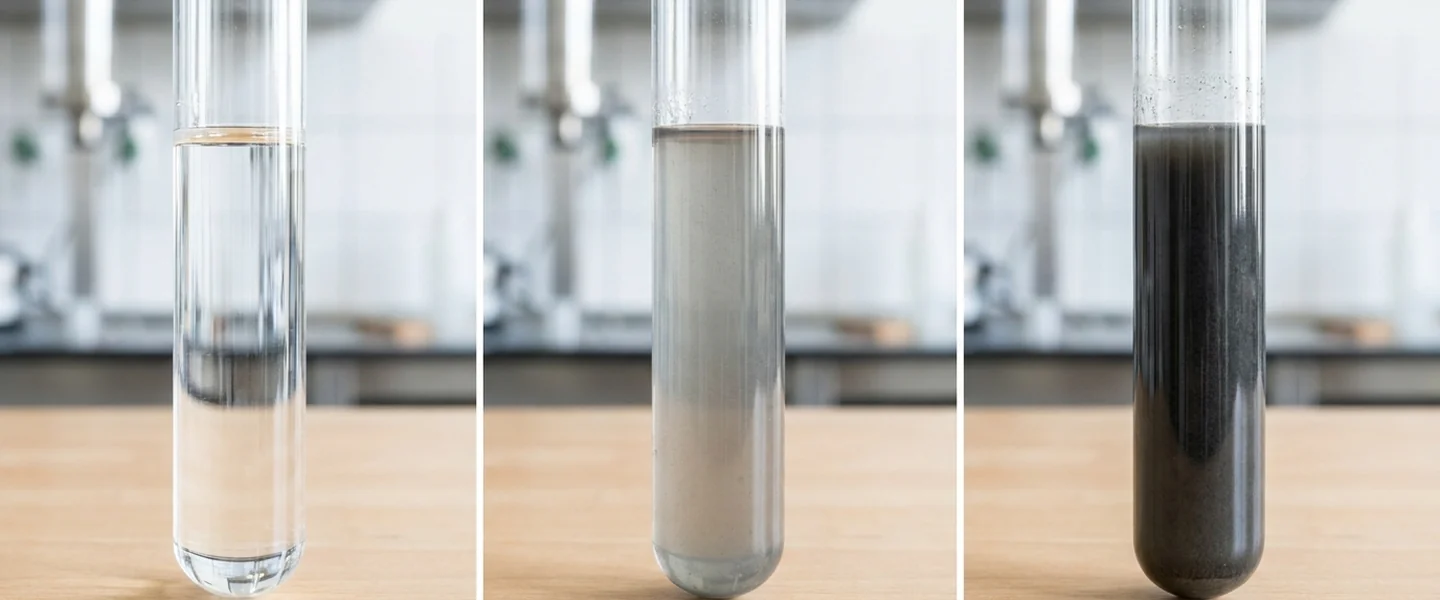
Every Plano-area water damage claim is classified into one of three categories: Cat 1 (clean), Cat 2 (gray), or Cat 3 (black). The category determination drives the entire scope of the response — PPE requirements, demo scope, antimicrobial application, post-remediation verification, and the line items your insurance adjuster reviews. Understanding the categories matters because misclassification is a common cause of claim disputes and homeowner confusion. This post explains the three categories, how they’re determined, why the difference matters, and what Plano homeowners should know when they’re discussing a loss with their carrier.
The IICRC S500 Definitions
The Institute of Inspection, Cleaning, and Restoration Certification (IICRC) publishes the S500 Standard and Reference Guide for Professional Water Damage Restoration, the industry-standard document every reputable restoration company uses to classify water losses. The S500 defines three categories:
Category 1 (clean water). Water from a source that does not pose substantial harm to humans. Examples: broken supply lines, sink and tub overflows that have not gone over a toilet rim, melting ice from an ice maker, a fire-sprinkler discharge, a water-heater rupture, a clean rain leak. Cat 1 water is the easiest to remediate — the demo scope is typically limited (drywall 2 feet up from the wet line, carpet pad replacement), no hazmat PPE required, and no formal disinfection.
Category 2 (gray water). Water that contains significant contamination and has the potential to cause discomfort or sickness. Examples: dishwasher discharge with food residue, washing-machine discharge with detergent and lint, toilet overflows that contain urine but no fecal matter, water from a clean source that has sat for 48-72 hours (Cat 1 degrades to Cat 2 over time), some HVAC condensate situations. Cat 2 requires more demo scope (drywall often pulled higher, more cabinetry and trim removed), antimicrobial application with documented dwell time, and PPE during the work.
Category 3 (black water). Water that is grossly contaminated and contains pathogenic, toxigenic, or other harmful agents. Examples: sewage backups, water from beyond a toilet trap, ground-water intrusion in a flood, water from rivers or streams, water that has sat long enough to develop substantial microbial activity. Cat 3 requires full hazmat PPE (Tyvek, P100 respirators, sealed footwear), HEPA-filtered negative-air containment, full porous-material demo (entire drywall panels rather than partial), EPA-registered disinfection with documented dwell time, and often post-remediation verification testing.
How Time Affects the Category
One of the most important nuances in the S500 is that water category degrades over time. Clean water (Cat 1) that sits for 48-72 hours becomes Cat 2. Cat 2 that sits for 48-72 hours becomes Cat 3. This is why fast response matters in the Plano metro — a frozen-burst supply line that releases Cat 1 water on Monday becomes a Cat 2 loss by Wednesday and a Cat 3 loss by Friday if extraction hasn’t started. The category at the time of the response, not the original source, determines the scope.
Why Categories Matter for Insurance
Insurance adjusters scope the claim based on the IICRC category. A Cat 3 loss requires the documented Cat 3 protocol — PPE, containment, antimicrobial, demo, PRV — and the carrier expects that work to appear in the Xactimate estimate. If a restoration company misclassifies a Cat 3 loss as Cat 2 (typically because Cat 3 protocols are more expensive and a less-experienced company doesn’t want to scope them), the claim is at risk: the carrier may approve only the Cat 2 scope, but the homeowner still has Cat 3 contamination that wasn’t properly addressed. Correct classification protects both the homeowner and the claim.
What a Cat 3 Job Actually Looks Like
Most Plano-area Cat 3 calls are sewer backups during heavy rain (common in older Garland and Richardson neighborhoods where the municipal main backs up into low-floor drains), ground-water intrusion through slab-perimeter cracks during major rainfall (common across the metro because of expansive clay), or water losses that went unaddressed for several days. A Cat 3 response includes: arrival in full hazmat PPE, sealed plastic containment isolating the affected area from the rest of the home, HEPA-filtered negative-air machines holding the containment under negative pressure, coordination with a licensed plumber if the source is still active, extraction with dedicated equipment that is decontaminated after use, removal of all affected porous materials (drywall, carpet, pad, insulation, baseboards) in full and double-bagged for disposal, EPA-registered antimicrobial treatment at the manufacturer’s published dwell time, air scrubbing for the duration of the dry-out, and post-remediation verification before reopening the space.
What a Cat 1 Job Actually Looks Like
Most Plano-area Cat 1 calls are frozen-burst supply lines, water-heater failures, and dishwasher hose failures discovered within 24 hours. The scope is much simpler: bulk extraction with truck-mounted extractors, demo of carpet pad and lower drywall (typically 2 feet up from the wet line), light antimicrobial application as a preventive (mold can still establish in Plano’s humidity even in Cat 1 losses), structural drying with air movers and dehumidifiers, daily moisture logs, dry-standard verification, and equipment removal. No containment, no hazmat PPE, no extensive disinfection protocols. The typical Cat 1 job in the Plano metro runs 3-5 days from extraction to final sign-off.
How Categories Affect the Demo Scope
The most visible cost difference between categories is in demo scope. Cat 1 typically removes drywall to about 2 feet above the wet line, plus carpet pad. Cat 2 typically removes drywall higher (to the next horizontal joint or stud-cavity boundary) and may include cabinetry and trim. Cat 3 removes the entire affected drywall panel from floor to ceiling, all affected insulation, all porous material that touched the contaminated water. The demo difference can be substantial — a Cat 1 loss might require 100 sq ft of drywall replacement; the same room as a Cat 3 loss might require 500 sq ft. The carrier expects the demo scope to match the category.
Plano-Specific Category Patterns
Across the Plano metro, the category distribution we see in residential calls is roughly: 65-70% Cat 1 (clean water, fast response), 15-20% Cat 2 (gray water, dishwasher/laundry/some toilet overflows), 10-15% Cat 3 (sewage backups, multi-day standing water, ground-water intrusion). Commercial losses skew higher Cat 3 because flat-roofed commercial buildings with ponding water above failed membranes often produce contaminated water by the time the leak is discovered. The category mix varies by season — winter freeze-and-thaw spikes produce more Cat 1 losses (clean burst supply lines); spring supercell rainfall produces more Cat 2 and Cat 3 losses (storm water entering from outside, picking up contamination on the way).
Common Misconceptions About Water Categories
“Clean water is always Cat 1.”
Wrong. Clean water that sits for 48-72 hours degrades to Cat 2 and then Cat 3 because of microbial growth. The category at time of response, not at time of source, determines the scope.
“If I can’t smell it, it’s not Cat 3.”
Wrong. Cat 3 is determined by the source and exposure, not by odor. Ground-water intrusion through slab-perimeter cracks is Cat 3 even if it smells like clean rainwater. Sewer backup that has been diluted with rain water is still Cat 3.
“Antibacterial cleaners are enough for Cat 3.”
No. Cat 3 requires EPA-registered antimicrobials applied at the manufacturer’s published dwell time. Household cleaners don’t have the EPA registration and don’t meet the IICRC standard.
“The category is the same for me and my neighbor with the same loss.”
Maybe. If you both have identical sources, identical exposure times, and identical materials, then yes. If you responded faster, your loss may be a category lower than your neighbor’s. The category is loss-specific, not source-specific.
What to Ask the Restoration Company About Category
- What IICRC category do you classify this loss?
- What is the documented evidence that supports the classification?
- What demo scope does the category require under S500?
- What antimicrobial and PPE are required for this category?
- Will the category appear in the Xactimate estimate sent to my adjuster?
- If the loss is Cat 2 or Cat 3, will you provide post-remediation documentation?
Bottom Line
The IICRC water category determines almost everything about the restoration scope — PPE, demo, antimicrobial, documentation. Correct classification protects the homeowner, the carrier, and the long-term health of the building. Call (469) 513-8757 for 24/7 emergency response with proper IICRC category classification and documented scope.
Plano-Area Service Areas
We respond 24/7 across Plano and the surrounding DFW suburbs. Click your area for local details and the housing-stock patterns we typically encounter:
Flooded? Call Now — 24/7 Emergency Response in Plano
Truck-mounted extractors dispatched within the hour. Direct insurance billing. Serving Plano and surrounding areas including Frisco, Allen, McKinney, Richardson, Carrollton, The Colony, Garland, Lewisville.